




Introduction
There are two types of people in this world: those who have beaten Dark Souls and those who haven't. These FromSoftware games are extremely difficult, often crushing players with an atmosphere as brutal as their bosses. Yet for every death, there's always a reason to keep trying again, no matter how futile it seems. For every time you want to "get good," Hidetaka Miyazaki's games always challenge you to rise stronger than before.
This cyclical nature of dying, reviving, and trying again perfectly captures the narrative of Dark Souls. Some of you may be asking, “Wait, there’s a story to all of this?” Yes, there is, and it’s a rich and complex narrative hidden beneath layers of subtext and literal text. So for some, beating these games is as much about the narrative as it is about the gameplay.
If you're interested in the deep stories of Dark Souls, we've got a quick primer to help you get started. It's worth noting that time is very vague in this world, especially towards the end. However, we'll get to the main points in all three Dark Souls games.
The whole story begins with Age Of Ancients
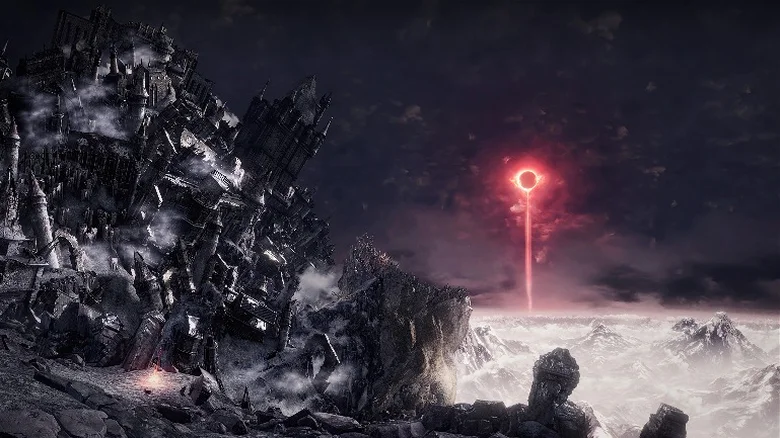
Many events take place before you even touch a controller in Dark Souls. Centuries before the escape from the Sanctuary of the Dead, there was nothing but fog. No one lived, no one died. There were only dragons, who watched over everything forever. This era was called the Age of the Ancients.
Underground, a magical fire called the First Flame suddenly ignited and attracted many humanoid creatures. This legendary flame created a duality between light and darkness, and life and death. In essence, it set time in motion. Three beings stepped into the flame and claimed the Spirit of God. Gwyn Lord took the Spirit of Light, while the sorceress Izalith took the Spirit of Life. Neeto claimed the Spirit of Death. This gave them great power, transforming them into living gods.
Meanwhile, the fugitive Pygmy found the Dark Soul, which gave Halo a precious thing called humanity. Thus, humans were born into this world, but their power paled in comparison to the Three Gods.
Dragon Slaying – Dark Souls
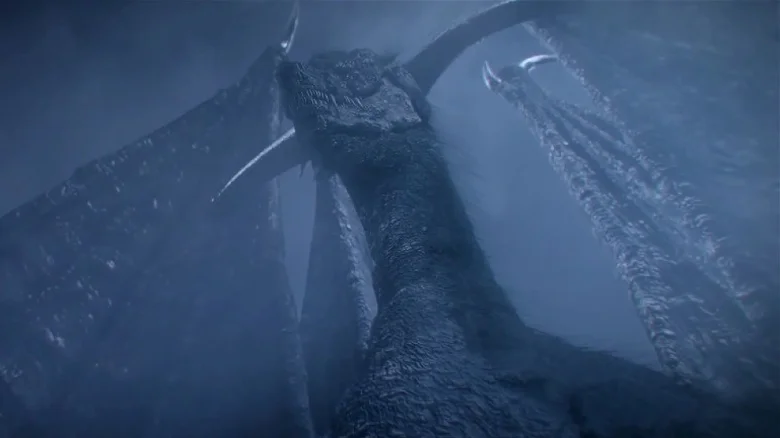
With this new power, the three lords waged war against the dragons above ground in order to take over the surface of the Earth. Unfortunately, these dragons could not be killed by normal means. One dragon, the Scaleless Sith, betrayed his kind because, as you might guess from his name, he was born without scales.
He reveals to the Lords that dragons are immortal as long as they have their stone scales. However, the destructive power of lightning can destroy their defenses. So Gwyn harnesses a few bolts of lightning, clearing the way for the other two Lords to secure victory.
Neeto unleashed a plague of death upon the vulnerable dragons. Meanwhile, the sorceress Izalith burned their homes, leaving them with nowhere to escape. This series of events wiped out nearly all of the dragons in the world, leaving only weaker imitators like drakes and wyverns. The only true dragons left were the Sith. So, the Lords moved to the surface and claimed it for themselves.
Our story takes place in Age of Fire – Dark Souls
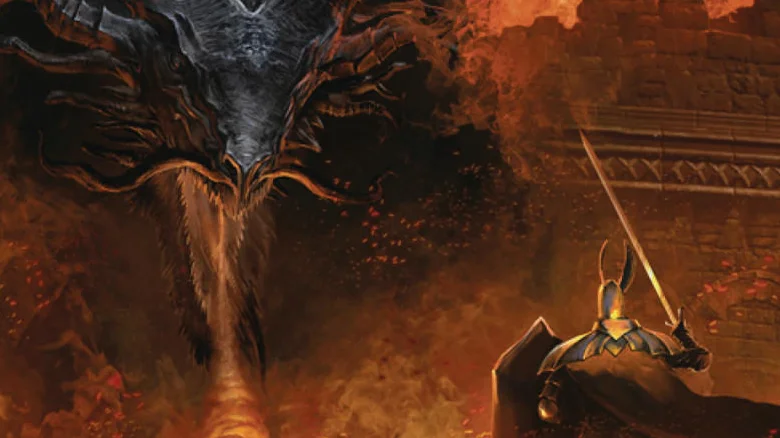
With the world under the control of the Overlords, the Age of Fire begins. Think of it as a golden age, where everything flourished. Gwynn Anor built his capital, Londo, on top of a mountain so he could be closer to the sun. Neitho took over the underground catacombs and spread the concept of death from below, while the sorceress Izalith studied fire. This led to the Pyromancy abilities we see in the Dark Souls games.
Furthermore, the Sith were comfortable in this new kingdom. Gavin granted him the throne for his services to the Lords. The Sith also provided him with a laboratory to conduct experiments on beings, all in an attempt to understand immortality. These often inhumane experiments angered some of the people of Anor Londo.
Howl Rock, a loyal knight under Gwen, became critical of the Sith's experiments. He began to gather a group to take down the Sith, but Gwen refused. The ruler eventually locked up his friend and sentenced him to return the Hollow and go mad. Unfortunately, those experiments also drove Sith mad, although he eventually unlocked the secret to immortality.
Artorias and the Abyss – Dark Souls
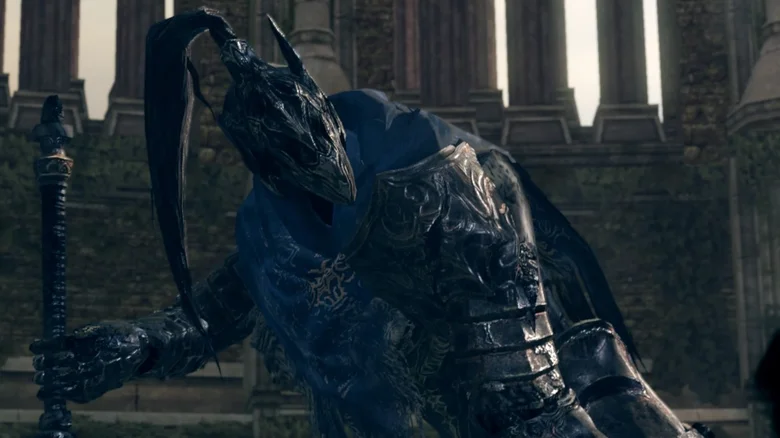
In this world, a small village called Oolacile sits atop an abyss. The abyss can be described as the darkness that exists within all of humanity, and if left unchecked, it can extinguish the First Flame. There is also Kaathe, the primal serpent who often expresses his desire to see the end of the Age of Fire. He convinces the people of Oolacile to go into the abyss and dig up the grave of Manus, the first man. When the creature awakens, it becomes feral, causing his humanity to spiral out of control. This event fuels the growth of the Abyss.
To stop the Abyss, Gwynn sends his trusted knight Arturias to Ulasil. Arturia, with his wolf cub Sif, faces Manus but loses. It is at this point that Manus searches for his precious pendant across time and space and finds it in the future. He pulls the pendant towards him along with the Chosen Dead (this is your character in Dark Souls). The Chosen Dead ends Manus while protecting Sif and saving the world from the abyss.
The first flame decreases and sets the beginning of the story – Dark Souls
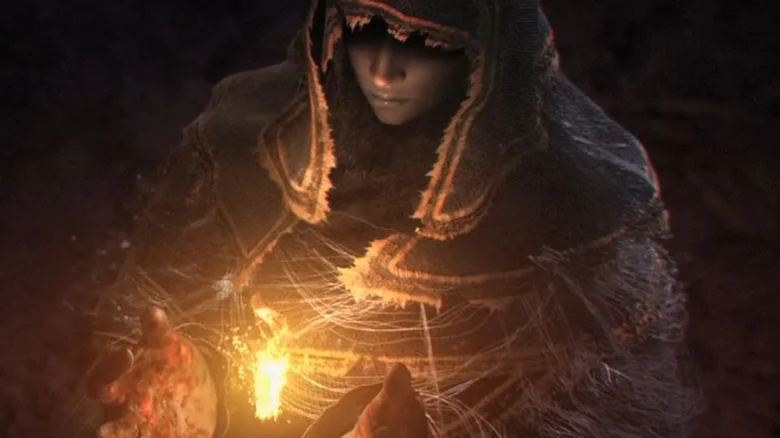
Gwyn enjoys his prosperity for a while, but all good things must come to an end. The first flame begins to fade. The Lords are horrified by this amazing development, for the flame has been their source of power since the beginning of the Age of Fire.
The sorceress Izalith attempts to recreate the flame based on all her studies. Ultimately, she fails and the corrupt fire consumes her soul, turning her into a bed of chaos. This event creates the Flame of Chaos, which spawns hordes of demons that plague the land.
As a last ditch effort, Gavin sacrifices himself to the flame and uses his soul to rekindle the fire. This works, extending the flame's lifespan for as long as he sits within it. He becomes the first Lord of Cinder, a being powerful enough to sacrifice himself to rekindle the flame.
Becoming the Lord of Cinder is only a temporary solution, delaying the inevitable darkness. Moreover, by rekindling the flame, he has cursed humanity with immortality. Dead humans always return, but the more they die, the more they become hollow.
Hollows and the Curse of the Dead – Dark Souls
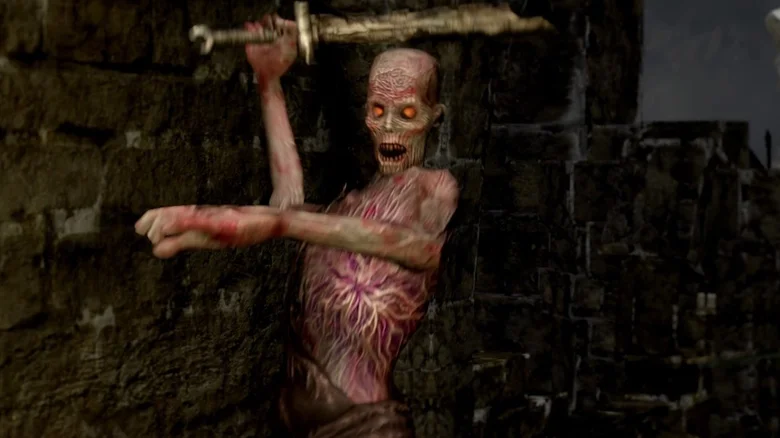
The fading fire and the presence of the dead are closely linked in the story of "Dark Souls." When the gods discovered the spirits of their lord, they set out to rebuild the world and usher in the Age of Fire. However, a mysterious individual known as the Fugitive Pygmy used his dark soul in a very different way. They separated the dark soul and used its power to create humans. Until the Flame of Gwyn began to fade, the gods paid little attention to humanity. Desperately searching for a way to keep the flame alive, the gods realized that humanity could be used as a fire starter. Unfortunately for the gods, humans had little incentive to burn a piece of themselves.
That is, until the Curse of the Dead creeps over the land. Over time, the spirits begin to lose their sanity and become the Hollow. The only way to prevent the Hollow from becoming the Hollow is to gather humanity and burn it in a bonfire across the land. Burning humanity reverses the Hollowing and preserves the Age of Fire – though the sustenance of the Burning Humanity is not as great as the god who sacrifices himself to rekindle the first flame. No one knows for sure where the Curse of the Dead originated, but it is suspiciously convenient for Gavin and the other gods, who want the Age of Fire to continue without end.
The Chosen Dead is our gateway into the story – Dark Souls
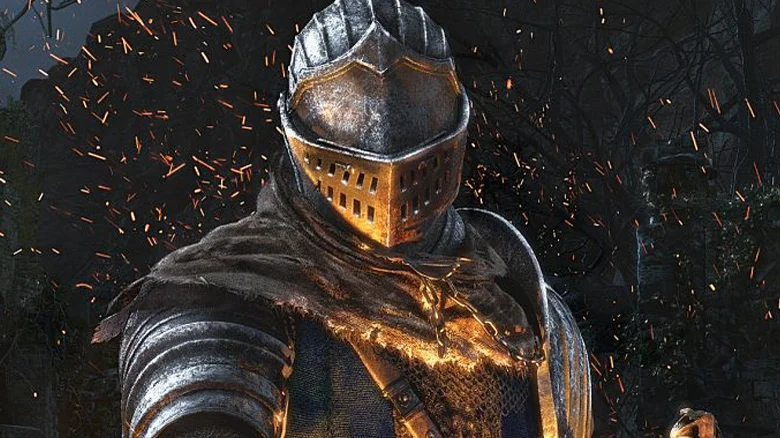
Believe it or not, we've finally reached the events that you're actually playing in Dark Souls (aside from that little digression with Manus). The Chosen Undead awaken and are set to fulfill the prophecy of rekindling the flame. They attempt to gather enough power to sacrifice themselves and become, at least according to the prophecy, the Lords of Cinder.
To do this, they must reach the Kiln of the First Flame. To open this path, the Chosen of the Dead must collect Lordvessel and fragments of Gwyn's soul (in other words, specific bosses). They sacrifice these fragments to the Lordvessel, which grants access to the Kiln.
Inside this furnace, they find the charred shell of Gavin. It attacks and serves as the final boss in Dark Souls. After defeating it, you are given a choice. You can either rekindle the flame as it predicted, or let it die. If you choose the latter, the Chosen Dead will become the Dark Lords, and a large number of primal serpents – including Kathe – will worship them for ushering in the Dark Age.
Children of Gavin and the Nameless King – Dark Souls/Dark Souls 3
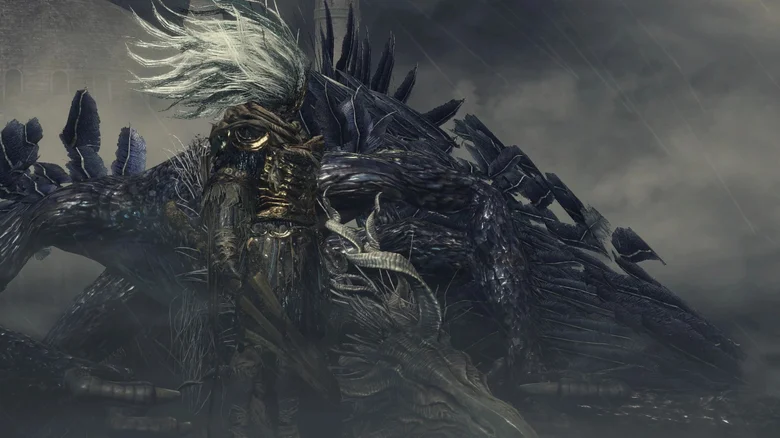
Gwyn, the first Lord of Cinder, had four children, two of whom players can see in Dark Souls. The Chosen Undead encounter Gwyn Gwynevere's first daughter while exploring Anor Londo. She asks the Chosen Undead to overthrow Gwyn and rekindle the flame so that the Age of Fire can continue. If the Chosen Undead attack Gwynevere at any time, she will vanish, revealing that her presence is actually an illusion created by Gwynevere's second-born son, Gwynedd of the Dark Sun, who wants to find a worthy undead to rekindle the flame.
Players meet Gwen's second daughter, Filianore, in the "Dark Souls 3" Ringed City DLC. After fighting the dragons, Gwen isolated the pygmies from the rest of the world by placing them in the Ringed City and, for reasons that are not entirely clear, sent Filianore to live with them. She holds a cracked egg that shatters when touched, leading players to the game's final boss battle.
The most mysterious of Gwain's children is his firstborn. Players learn in Dark Souls that Gwain's firstborn was a renowned god of war who suffered a humiliating defeat. The firstborn's mistake forced him to leave Anor Londo and caused his name to be lost to history. The identity and fate of Gwain's firstborn has been the subject of speculation for years, but many believe that he is actually the Nameless King, an arbitrary ruler in a secret location in Dark Souls 3. If this is true, after being separated from his family, Gwain's firstborn ended up with the same dragons he once fought.
Secrets of the Painted World – Dark Souls 3
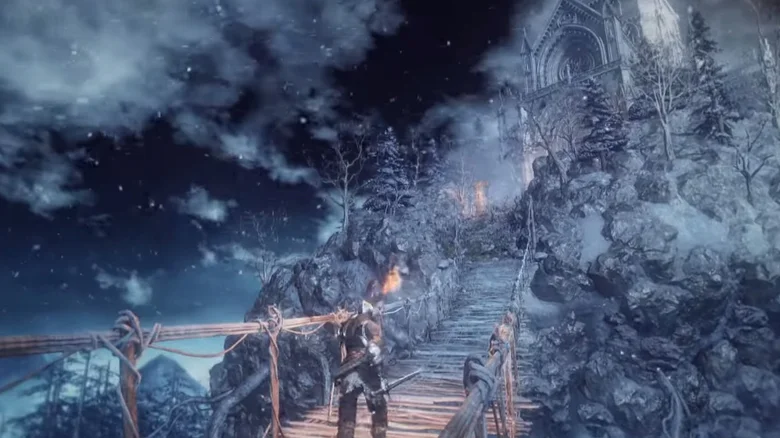
One of the most unique locations in Dark Souls is the painted world of Ariamis. Hidden inside a painting hanging on a wall in Anor Londo, the world is guarded by armed guards and is home to Priscilla, a dragon-hybrid with incredible strength who initially asks the protagonist to leave peacefully before attacking.
The reason for the Painted World is one of the enduring mysteries of "Dark Souls," but fans have been trying their best to figure it out. A popular theory is that the Painted World was created as a prison for creatures that various lords saw as a threat to their power. On the other hand, the first DLC for Dark Souls 3 brought players to the Painted World of Ariandel. The game doesn't explicitly state the connection between this Painted World and what's encountered in "Dark Souls," but fans have been using their secret abilities to piece together the pieces.
Ariandel is known as the “regenerator of the world of the paintings,” which means that the world of the paintings of Ariandel and the world of the paintings of Ariamis are one and the same. No one knows how much time has passed between the events of “Dark Souls” and “Dark Souls 3,” but it is clear that the painted world has been transformed from a prison into a home for people, like the slave knight Gael, who want to escape the hardships of the real world (more on that later). It is noteworthy that the painted world exists in a cycle similar to the Age of Fire. As the painting ages, it must be burned, and its inhabitants must create a new painting in order to escape from there, continuing the cycle of life and decay. Even the alternate dimensions in «Dark Souls» have a long history.
Wandrik and Dranglik revive the story some time later – Dark Souls 2
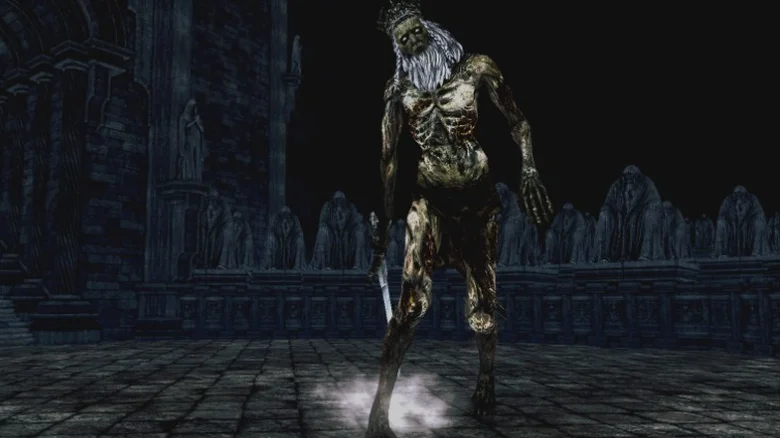
Whatever ending you choose in Dark Souls doesn't matter in the grand scheme of things. The franchise is all about cycles. Eventually, someone else will always step in to rekindle the flame.
An unknown amount of time has passed since the Choosing of the Dead. Many kingdoms have risen and fallen, and the flame has been rekindled many times. Dark Souls 2 focuses on the kingdom of Drangleic. King Vendric founded Drangleic after overthrowing the previous kingdom that stood in its place.
From across the sea, a traveler named Nashandra joins Drangleic and warns Wendrick of an impending invasion. He claims that giants are coming to attack his kingdom. Hoping to gain the upper hand, Wendrick leads his army first towards the giants and attacks them, stealing a powerful artifact from them. This artifact helps him create magical golems, which in turn play a role in the creation of Drangleic.
Curse of the Dead – Dark Souls 2
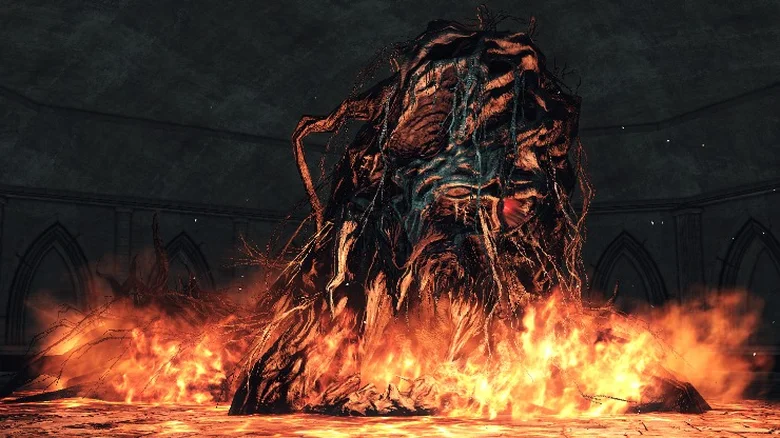
Drangleic prospered for a time under the rule of Vendric. He married Nashandra, who became the queen of the realm. Unfortunately, the curse of the dead has returned to the world. Many people have been infected with this curse, which eventually leads to their becoming hollow. At first, he quarantines these people, treating them as no more than an infection.
But after a while, the king realizes that there is more to it than that. Vendrick and his brother Aldia deduce that this curse of the dead appeared historically when the flame was rekindled. They suspect that somehow, the two are connected.
Aldea, who had studied life and death himself, tried to find a way to live outside the cycle. He resorted to recreating dragons, ancient creatures that were unaffected by time before the Age of Fire. He went so far as to create a hybrid creature, but even so, Aldea could find no surefire way to escape his fate. No matter how hard he tried to stop the curse of the dead, he failed and eventually transformed into a terrifying monster.
Nashandra's Hidden Motive - Dark Souls 2
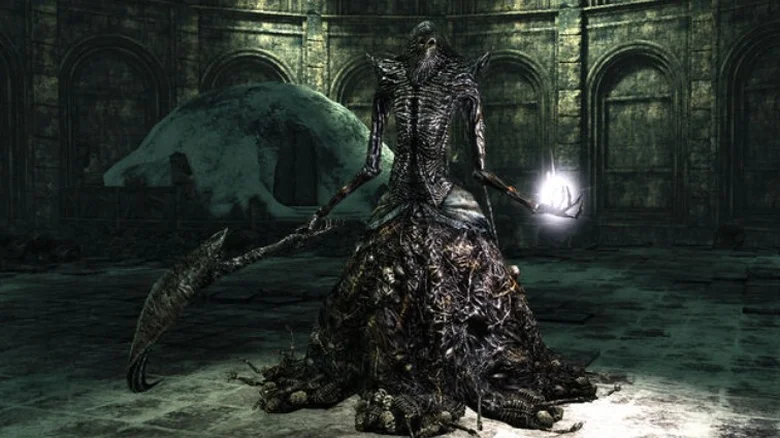
While Vendric struggled to provide for his kingdom, he had no idea of his wife's sinister plot. Nashandra was born from a fragment of Manus, the primal man who embodied the Abyss. She represents everything dark about humanity and all she wants is to usher in the Dark Age. She believed that by being at Vendric's side, she would draw him to the throne, representing the First Flame.
We know that the goblins never intended to attack Drangleic. Instead, it was Nashandra who manipulated Wandrick into fighting them. He knew that they had the golem-making artifact that would help Drangleic thrive. The goblins returned with a vengeance and destroyed the kingdom.
Vendric learns of his wife's betrayal, but by the time he realizes it, it's too late. He seals himself away so that Nashandra can't use him to claim the throne. However, that doesn't matter to him. He's found a new creature that could pave the way to the throne: your Dark Souls 2 character.
The Bearer of the Curse concludes a new story cycle – Dark Souls 2
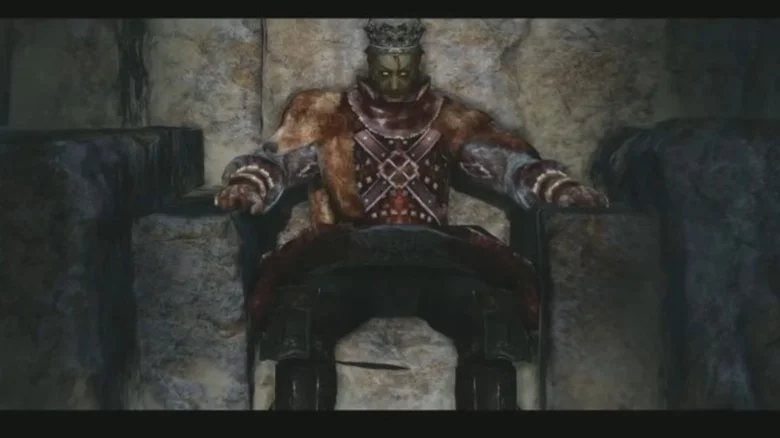
Your character in Dark Souls 2 is another undead, but this time, they have been transformed into Hollows. Everyone, including your character, travels to Drangleic in search of a cure. However, instead of finding one, the bearer of the curse finds himself engulfed in this political power struggle for the first flame.
Nashandra tells this character sweet little lies and leads them to unlock the throne. She herself cannot do it because of the obstacles that Vendrick has created. After the path is opened, Nashandra, in a surprising twist that no one could have seen, betrays the curse bearer. They fight before the throne, but your character ultimately wins.
Initially, Dark Souls 2 would connect players to an ending that would have the main character sitting on the throne. The meaning remained unclear, but many assumed it meant rekindling the flame. When the game received the Scholars of the First Sin update, an ending was added that allowed players to walk away from the throne instead.
Scholar's First Sin – Dark Souls 2
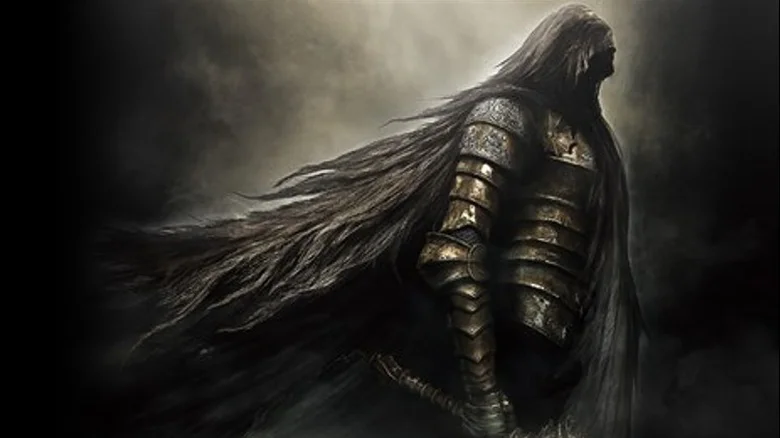
After defeating Nashandra and Aldea, players have a choice eerily reminiscent of the one made at the end of Dark Souls. The curse bearer can choose to sit on the throne of Will or walk away from it forever. Essentially, the bearer can choose to continue the Age of Fire once more or let the flame fade.
Having to make this decision all over again seemingly diminishes every decision players made at the end of Dark Souls, but that's exactly the point. Aldea's dialogue ultimately reveals that Lord Gwyn committed the "first sin" by ushering in the Age of Fire. That's how the protagonist learns that Gwyn's Linking of the First Flame started the cycle of light and darkness, inadvertently creating the Curse of the Undead. Now the cycle continues forever—no matter what happens. If a powerful undead rekindles the fire, it inevitably dies out. If that undead chooses to leave, someone else will come to take their place. There's no cure for the Curse of the Undead, and even when an in-game crown offers respite from Hollowing, it only masks the symptoms. It doesn't completely remove the curse.
Some believe that Aldea attempted to break this cycle by usurping the First Flame. Although she failed, her work and research had a lasting impact on the world. The cycle had passed Aldea, but on the horizon, an Unkindled was coming who could truly end the First Sin.
The Lords of Cinder concludes the story – Dark Souls 3
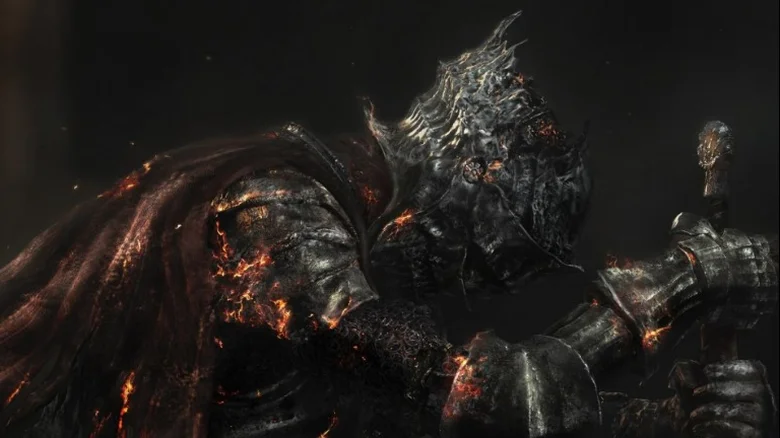
Here we are, at the end of the world. We travel forward in time, into another cycle of rebirth, possibly one of the last. The First Flame is dying once again, and the Lord of Cinder who could have rekindled it, Luthric, refused to do so. So, the previous Lords were resurrected so that their power could be used to rekindle the flame.
Ludlath, one of the Lords, sits on his throne in the Firelink Temple, accepting his fate as nothing more than a sacrifice. Ludlath, accompanied by his brother Lorian, passes through the Great Archive. The other three Lords – Yhorm the Giant, the Abyss Watchers, and Aldrich, Devourer of Gods – still wander the world, carrying their spirits with them.
All five of these lords come from different places in the Dark Souls timeline. We never see these characters at their peak of power, but based on their relationships with other bosses, we know they held power in this world before they set their bodies on fire.
Ash – Dark souls 3
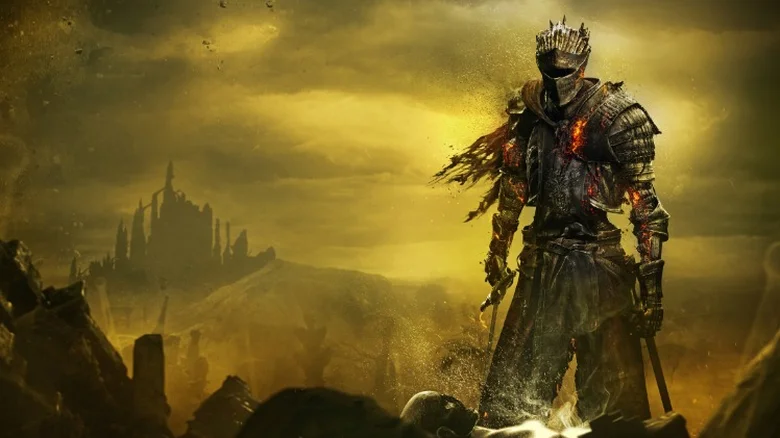
As the flame fades, bells ring, awakening the Unkindled. These creatures are different from the Undead, who generally seek out humanity and darkness. Instead, the Unkindled seek out the flame itself, gathering as many small embers as they can. It's possible that your character was previously an Undead who couldn't control the Flame, which at least explains why the Humanity item was replaced with Ember in Dark Souls 3.
The Ashen One rises as another being who fulfills the prophecy, standing above the rest. It's up to them to gather enough souls to become powerful enough to gather all five Cinder Lords and bring them to the Firelink Temple. Ludleth is already there, which means you have at least four boss fights to look forward to (one of which is surprisingly easy).
Each Lord has a deep backstory that provides further insight into the history of Lothric. While we won't go into detail about each one, you should know that they all echo the cycle of empires that Dark Souls is known for.
Endless cycle of repetition – Dark Souls 3
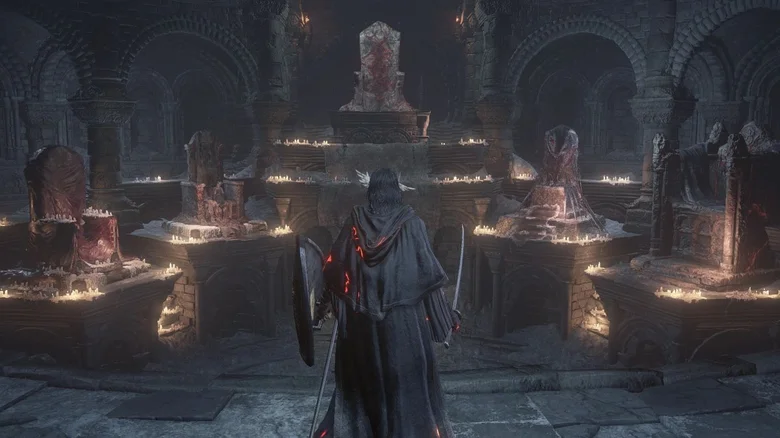
«Dark Souls 3 continues the idea of a world caught in an endless cycle first introduced in Dark Souls 2. Once again, players are exploring a world that has been consumed by a flame. The game's main bosses are all lords who have previously interacted with the flame, showing that rekindling isn't really the solution to the problem of the fire's extinction.
This inevitable cycle is so important to the story of "Dark Souls 3" that FromSoftware decided to bring back certain characters and locations from previous entries to show that not much has changed despite the countless years that have passed between the events of the games.
Some have taken issue with the amount of Dark Souls references in Dark Souls 3, but they serve as a powerful reminder that rekindling the flame doesn't ease the curse of the dead. Even though the world undergoes dramatic changes with each rekindling, poor characters like Sigurd Katarina are forced to live on until they become hollow. At the end of the game, players are once again asked to rekindle the flame or walk away, plunging the world into darkness. Anyone who accepts the hints left by FromSoftware is probably wishing for another possibility, and Dark Souls 3's ending finally makes that possible.
The Painted World of Ariandel – Dark Souls 3
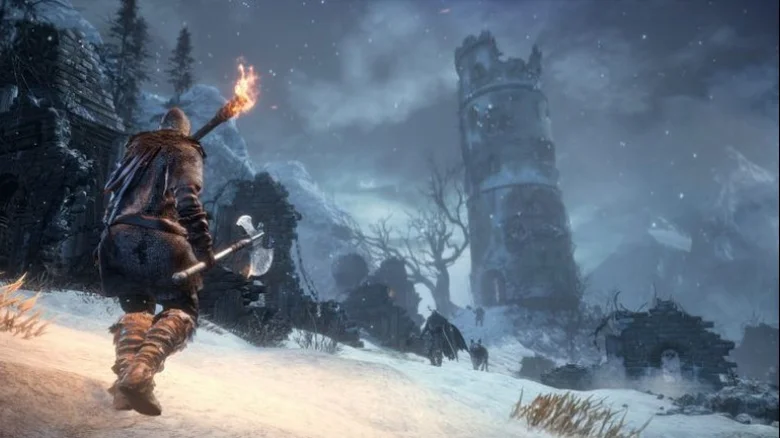
During his journey, the Ashen One meets the slave knight Gael. He is a weary man who has lived since the time of Gwyn and carries with him a piece of a magical painting. By touching this painting, our hero is transported to the world of Ariandel. Gael begs the Ashen One to bring fire to this world, for as it is now, it is rotting.
Many desolate creatures call Ariandel home, making it a sad final destination for those with nothing else to live for. Much like the overworld of Dark Souls, this world falls victim to cycles. These painted lands eventually succumb to decay, which can only be cleansed by fire. By then, the appointed painter has drawn a new world for these inhabitants to jump into. In this cycle, a young, unnamed girl is the painter.
Within Ariandel, our hero meets Farid, another Unkindled who now calls this place home. Despite his innate drive to find the Flame, he and his father refuse to bring fire to this world. This sparks a conflict with the Ashen One, who fights him to the death. Their argument ignites a flame that begins to burn Ariandel.
The Ringed City and the End of Time – Dark Souls 3
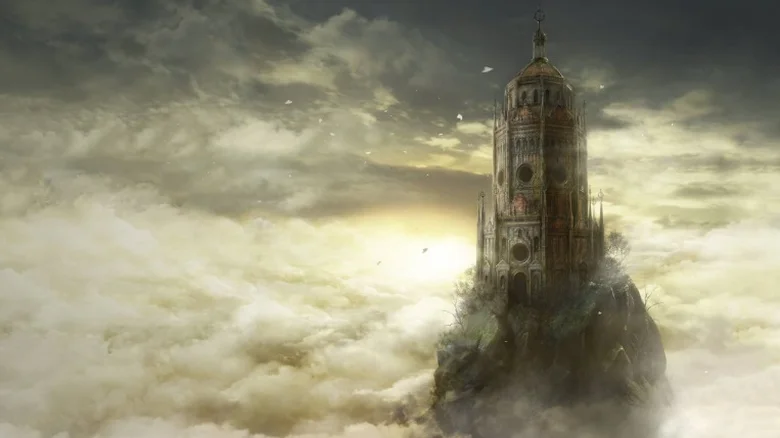
While the Ashen One burns Ariandel, Gael wanders the outside world, gathering as much of the Dark Soul as he can. He swallows bits and pieces of it, mixing it into his blood. He harvests the Dark Soul by killing pygmies, descendants of the original dwarf Fortuyo who found the Dark Soul.
His goal is to turn the dark soul into a pigment that the painter can use to paint a new world while Ariandel burns to nothing. In theory, this new world will never die due to the enduring properties of the dark soul. This noble endeavor brings Gael to the end of his world and time, and his changing blood drives him mad. Now he only wants blood and the dark soul, forgetting his original reasoning.
The Ashen One travels to the Ringed City, the last city of humanity. Once there, they magically travel to the apocalypse, where they find Gael. A blood-hungry slave knight attacks them, but they defeat him and obtain the blood of darkness. The Ashen One gives this to the Painter, who then paints a new, eternal world called Ash.
Meaningless Ending – Dark Souls 3
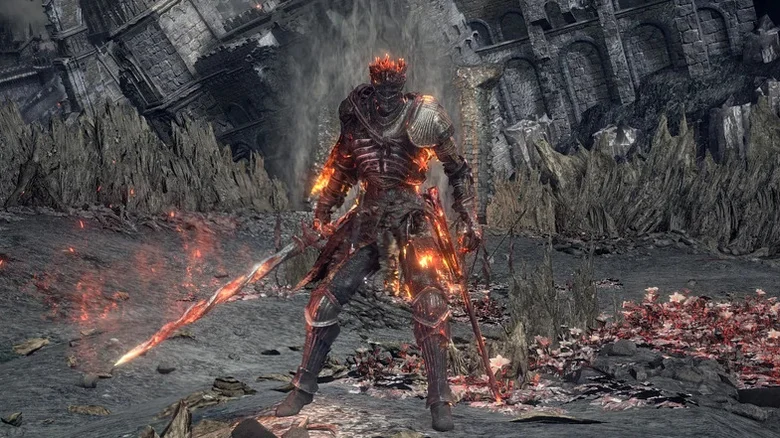
There are four possible endings for Dark Souls 3. The simplest ending is that the Ashen One defeats the spirit of Cinder before the first flame is ignited. This ending perpetuates the Age of Fire, with Ash becoming another god who must sacrifice himself to the flame. With the help of the Firekeeper, it is also possible to allow the first flame to fade completely, ushering in a temporary Age of Darkness before a new flame is born. Players are also free to kill the Firekeeper and literally take the end of the flame into their own hands. However, the third option is practically identical to the second, although it is a bit more morally dubious.
All three of these endings are almost identical to the endings of Dark Souls and Dark Souls 2. Whether the Flame is rekindled or not, the cycle of light and darkness will continue undisturbed. Essentially, the Age of Fire continues, and the world remains the same after the Ashen One's journey, with only superficial changes. The painted world of Ariandel still exists separate from the real world, but anyone who hasn't escaped to the painting will still experience the curse of the dead. If the Ashen One are to break the cycle, they must do what Aldia, Scholar of the First Sin, failed to do: usurp the Flame.
Flamethrower – Dark Souls 3
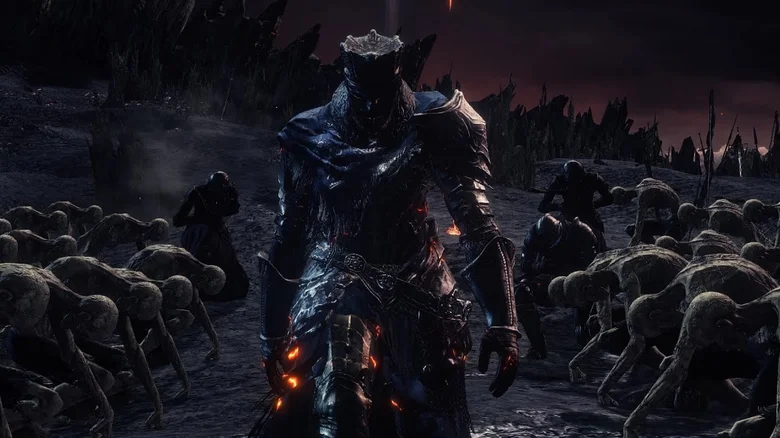
The only way to break the endless cycle of the Age of Fire is to unlock the most complex ending of “Dark Souls 3.” First, the Ashen One must become a Hollow themselves. Once Hollow, they must perform a wedding ceremony with the body of Enri to prepare to become a Hollow Lord. Then, after defeating the spirit of Cinder, the Ashen One can end the First Flame and claim its power at the same time. The end of the Fire Usurpation ends the Age of Fire and begins the Age of Hollows.
It's easy to see the Fire Uprising as the best possible ending for Dark Souls 3. After all, the long reign of Fire has brought suffering to nearly every living thing in the world. However, some fans are skeptical about how much of a benefit a new Age of Hollows could actually bring to the world. An Age of Hollows might free humanity from its enslavement to fire, but it won't necessarily allow them the freedom to live and die as they please. There's also no guarantee that the Fire Uprising will end the Curse of the Dead. Perhaps, like the Painted World, the Age of Hollows will simply give humanity a chance to exist in a new kind of cycle.
The entire FromSoftware universe
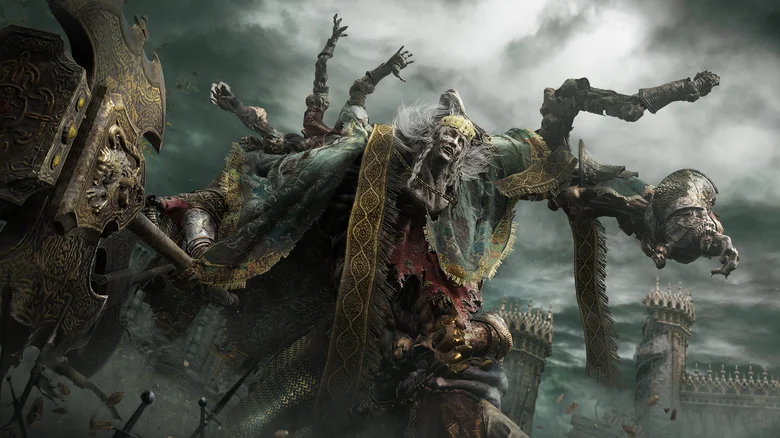
«"Dark Souls" catapulted FromSoftware into the mainstream, but the company's other games — including "King's Field," "Demon's Souls," "Bloodborne," "Sekiro: Shadows Die Twice," and "Elden Ring" — are just as popular (if not more) than its flagship franchise. There's often a thematic overlap, often tied to gameplay mechanics, like players having to retry to figure out the right strategies and the presence of the undead in most games. Specific weapons like the Moonlight Greatsword and Storm Ruler have also appeared in various FromSoftware titles (as noted by Game Informer). Not only that, but one character ties each game's "Soul" together: the fan-favorite Patch, who seems to be stuck in a cycle of death and rebirth.
These subtle connections are likely just FromSoftware paying homage to some of its favorite early ideas, but that hasn't stopped fans from speculating about the narrative connection between the various games.
One popular theory is that the world depicted in the Dark Souls DLCs The Painted World of Ariamis and The Ringed City is actually the city of Bloodborne in Yhernam. Unfortunately, this theory doesn't explain the presence of the Elder Gods in Yhernam. Another idea links the first three FromSoftware Souls titles to The Ring of Elden, stating that the lands between existed long before the other worlds, and that each of the different endings to The Ring of Elden created a different FromSoftware world. The company hasn't confirmed any connections between its games and probably never will, but it just makes theorizing about a connected mythos all the more intriguing.