







What is cloud computing?
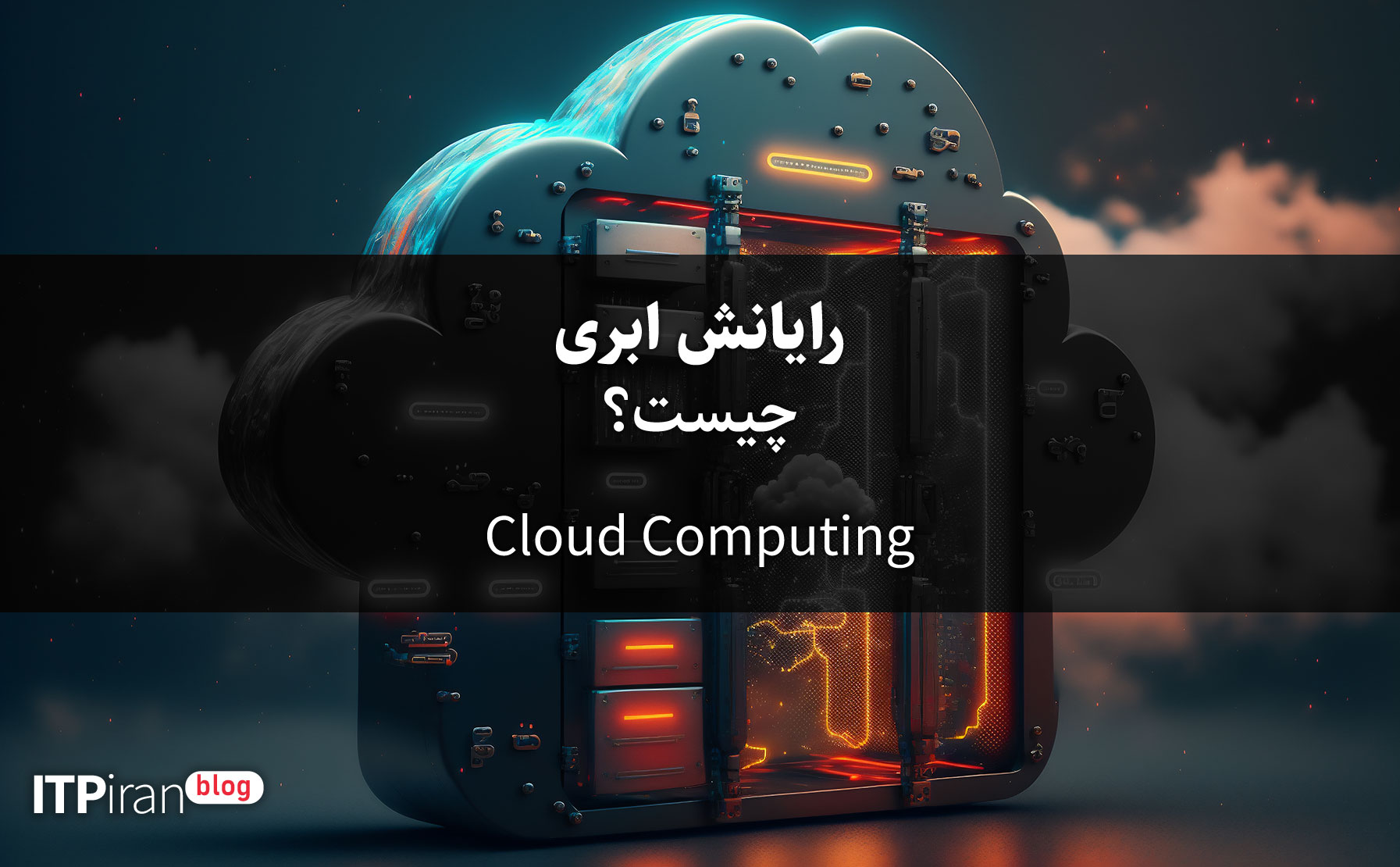
Cloud computing can be defined in simple terms as providing various services, including implementing applications, providing storage space, and processing power on the Internet. In cloud computing, instead of owning the necessary infrastructure, users can rent this infrastructure for the amount of resources and time they need to access the services they want. In fact, one of the advantages of using this type of service is getting rid of the high cost and complexity of providing and maintaining the required infrastructure. The G-mail service, the Netflix online streaming service, or the process of backing up the internal memory of smartphones can be mentioned as examples of cloud computing applications.
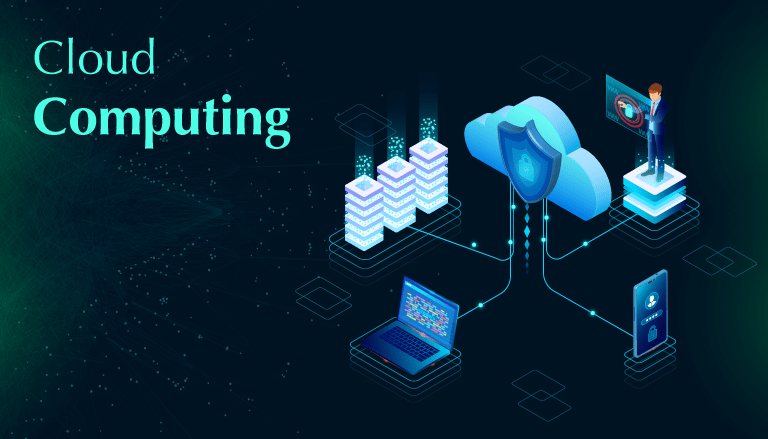
But what is the reason for this naming? In fact, the word Cloud is a symbol for the Internet network. The origin of this symbol is the cloud, which in the distant past was used to represent the telephone network and in the near past was used to represent the Internet network in network diagrams as an abstract symbol of its infrastructure. So, in fact, as mentioned earlier, the term cloud computing represents a type of computing based on the Internet and includes hardware such as servers and software such as programs and various operating systems. Cloud computing has become one of the important industries in the IT field in recent years. The heavy investments made in this field indicate its high importance. According to IDC research, today, one third of global IT spending is spent on creating cloud computing infrastructure. Also, this share is increasing day by day as traditional and home users turn to cloud hosting. In 2018, according to Gartner, more than $260 billion was spent on cloud computing.
The advantage of cloud computing
The main advantage of cloud computing will vary depending on the type of service used, but in general, using this technology means that there is no need to purchase and maintain the required equipment. In fact, with this solution, there is no need to spend financial and human resources on purchasing servers, updating programs and operating systems, replacing older components, and so on, because all these tasks will be the responsibility of the service provider. Since the resources saved in this way can be used for more strategic purposes, this can significantly help a business in its field of work.