







Introduction
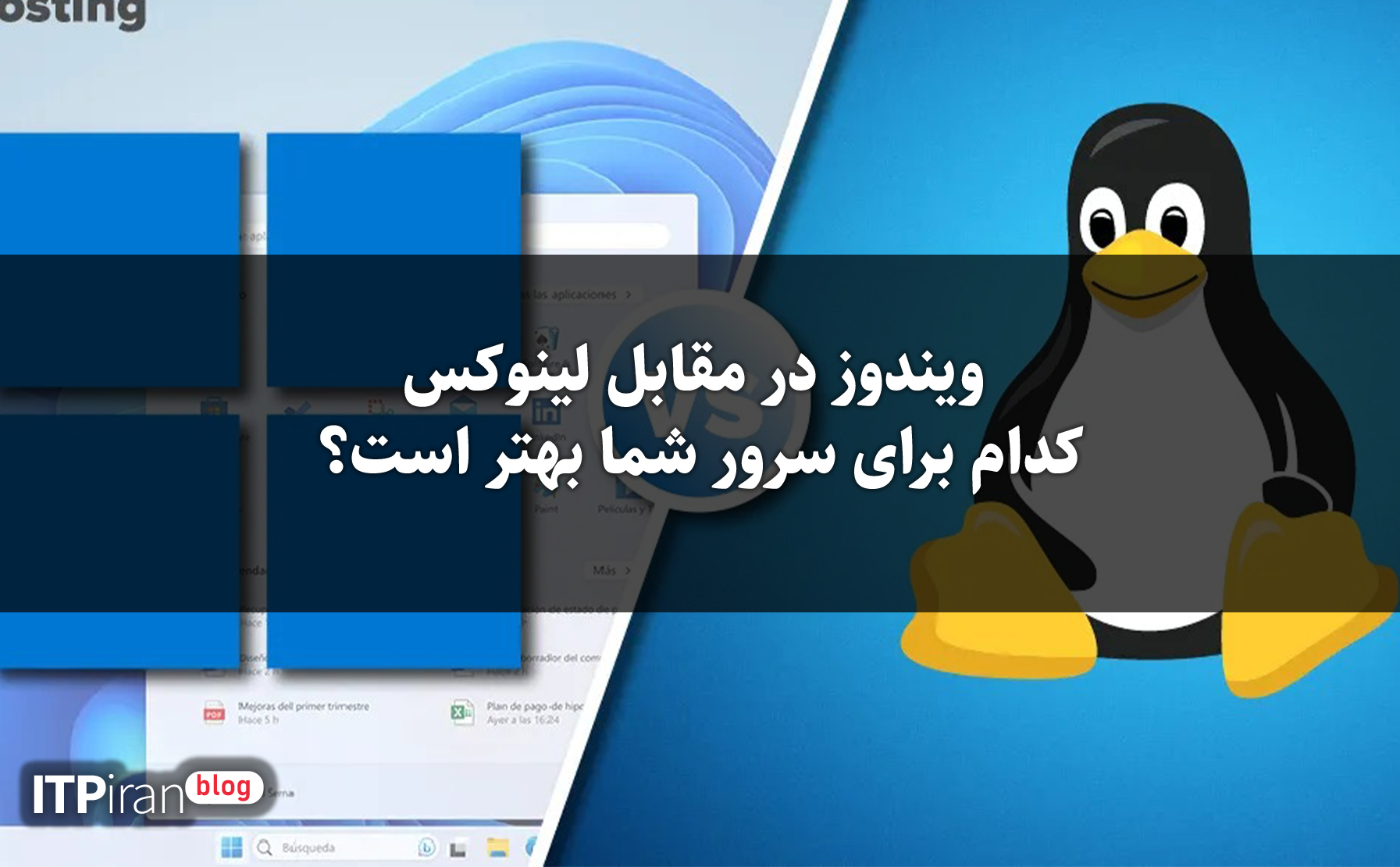
When it comes to choosing a server for personal or business use, choosing between Windows and Linux is a crucial decision. Both operating systems offer unique features that suit different needs. In this blog, we will explore the pros and cons of each to help you make an informed decision.
If you are not familiar with these operating systems, don't worry, here is a brief explanation. Windows is a widely used operating system developed by Microsoft and has a user-friendly graphical interface and wide compatibility with hardware and software. On the other hand, Linux is an open source operating system that is well known for its stability, high security, and flexibility.
Benefits of Windows Server
The benefits of Windows Server go beyond its familiar user interface and broad compatibility with business software. Here are some other benefits to consider when choosing an operating system:
- Intuitive user interface: Windows is designed for all users, even those with no prior experience. It is easy to use for administrators and users who are familiar with other Microsoft products.
- High compatibility with software: Windows offers a wide range of compatible software, making it easier to integrate applications and systems. Many business solutions are also designed to run in Windows environments.
- Extensive access to hardware: A large number of drivers for a wide range of commercial hardware are supported by Windows, while on Linux, access to hardware may be more limited.
- Ease of web service deployment: Windows offers several built-in features and services that make it easy to deploy web services, including IIS (Internet Information Services) for hosting websites and web applications.
Disadvantages of Windows Server
Despite the advantages, Windows servers face challenges such as high licensing costs, security vulnerabilities, and other issues. Some of the prominent disadvantages include:
- High initial cost: One of the biggest drawbacks of Windows is its high cost compared to Linux. Purchasing server licenses and accessing additional services can be costly for businesses.
- Unnecessary files remaining: When you uninstall a program on Windows, there are usually leftover files on the system. But on Linux, the process is simpler and there are no unnecessary files left behind.
- Security vulnerabilities: Despite Microsoft's ongoing efforts to improve security, Windows remains vulnerable to cyberattacks and malware.
- Gradual slowdown: Another disadvantage of Windows is that the system slows down over time, while Linux maintains its performance speed.
Benefits of Linux Server
Now that we've covered the pros and cons of Windows, let's move on to the benefits of Linux. This operating system offers a number of features, from stability and security to high flexibility:
- Zero license fee: One of the biggest advantages of Linux is that it is open source and most of its distributions are free.
- High flexibility and customization: Linux allows for extensive customization, allowing system administrators to optimize it for their specific needs.
- High stability and reliability: This operating system is designed to run efficiently under heavy workloads and for long periods of time.
- Strong security: Linux is well known for its high security and resistance to malware.
Disadvantages of Linux Server
Despite its many advantages, Linux also has disadvantages and challenges that may influence your decision:
- Less intuitive to use: For users accustomed to graphical interfaces like Windows, using the Linux command line can be difficult and time-consuming to learn specific commands.
- Software compatibility issues: Although Linux offers a wide range of tools, its compatibility with some software may be limited.
- Hardware access restrictions: While Linux supports a wide range of hardware, some drivers for specific models may not be available.
- Distribution dispersion: The large number of Linux distributions can make it difficult to choose the right version and create incompatibilities between different software.
Conclusion
Analyzing the pros and cons of both operating systems, Linux emerges as the superior choice. However, the final choice always depends on your specific needs and goals. If you are looking for a Linux or Windows server, check out our services at SW Hosting.