









Introduction
Linux distributions, commonly known as Linux distros, are versatile and versatile operating systems based on the Linux kernel. They are designed to cater to a wide range of users with different needs and preferences, including essential system software and various applications to create a complete operating environment.
The existence of multiple Linux distributions is due to the open-source nature of Linux, which allows developers and communities to customize and tune the operating system to suit specific needs.
This variety allows users to choose a distribution that aligns with their technical expertise, hardware compatibility, software needs, and overall computing preferences.
1. Good Linux distributions
Some of the most popular and widely used Linux distributions include Ubuntu, Fedora, Debian, and a few others. Each of these distributions has its own strengths and benefits that appeal to different segments of users.
Ubuntu – A User-Friendly Linux Distribution
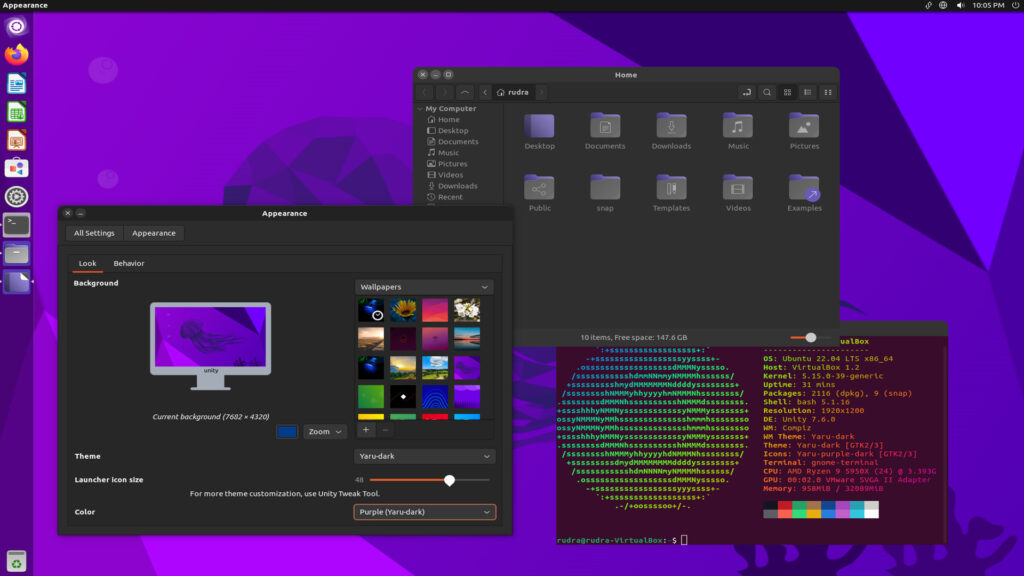
Ubuntu is a household name in the Linux world, known for its ease of use and beginner-friendly approach. It offers a polished desktop environment and an extensive software repository, making it a great choice for users transitioning from Windows or macOS. With its LTS releases, Ubuntu offers long-term support and regular updates, ensuring a stable and secure computing experience. Whether you’re a casual user, a developer, or a system administrator, Ubuntu covers a wide range of use cases.
Debian – A versatile Linux distribution
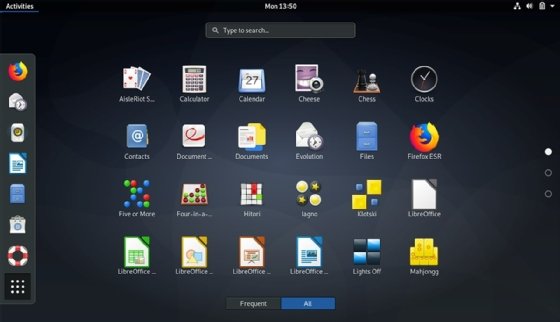
Debian is one of the oldest and most trusted Linux distributions, known for its stability, versatility, and commitment to free software. Debian offers an extensive software repository and supports a wide range of hardware architectures, making it suitable for a variety of use cases. It is often used as a base for other distributions, including Ubuntu. Debian's community-driven development and rigorous quality control processes ensure a reliable and well-maintained system.
Fedora – An Advanced Linux Distribution
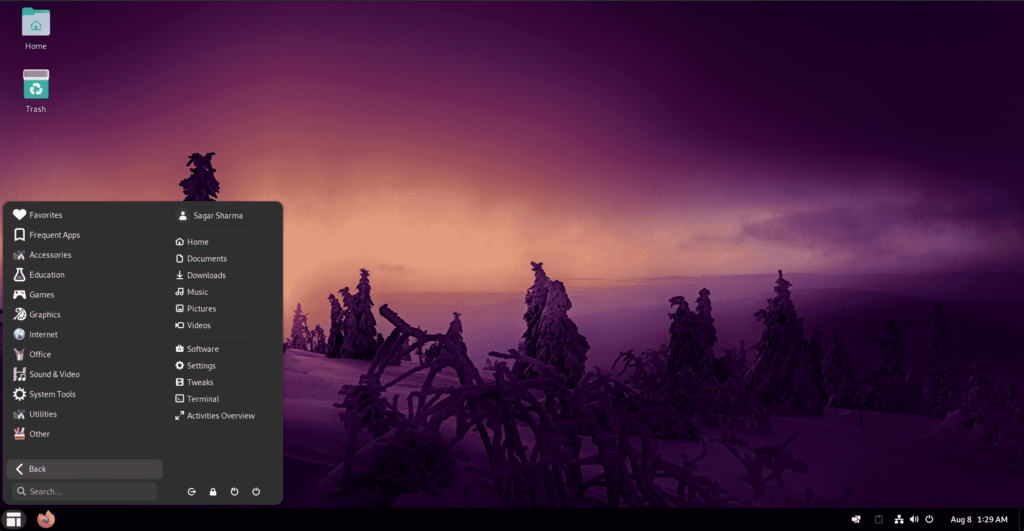
If you want the latest software and cutting-edge technology, Fedora is the Linux distribution for you. Backed by Red Hat, Fedora focuses on bringing the latest features and innovations to the Linux community. It serves as a testing ground for future releases of Red Hat Enterprise Linux (RHEL), making it ideal for developers and enthusiasts. Fedora embraces open source values and encourages community participation, fostering a vibrant ecosystem.
Linux Mint – A Linux distribution for beginners
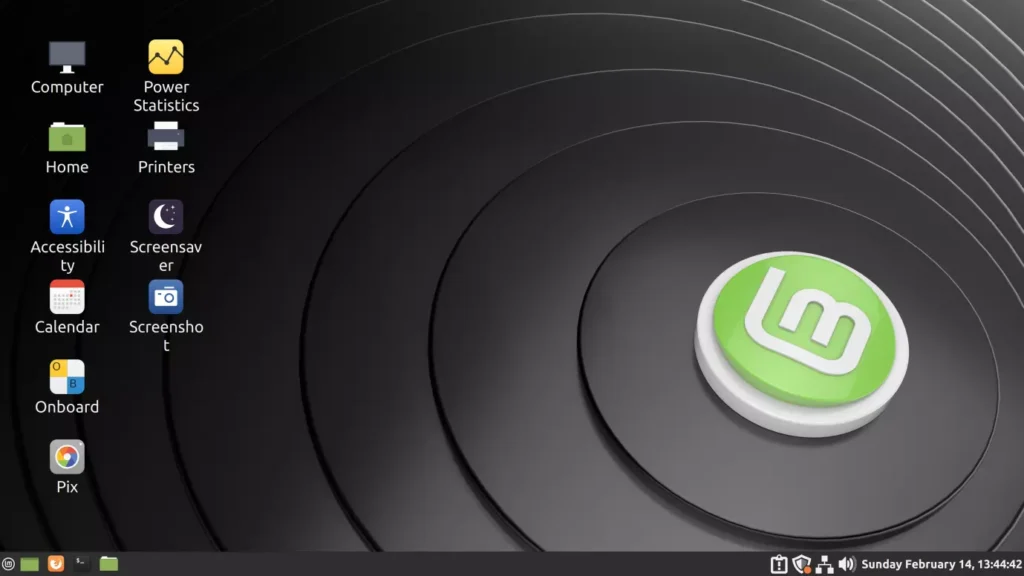
Similar to Ubuntu, Linux Mint aims to provide a user-friendly experience, especially for those new to Linux. It offers a familiar desktop environment, similar to the traditional Windows layout. Linux Mint prioritizes stability and usability, making it a great choice for those looking for a seamless transition to Linux. With its bundled software, codecs, and customization options, Linux Mint has gained popularity among casual users and home desktop users.
Arch Linux – A customizable Linux distribution
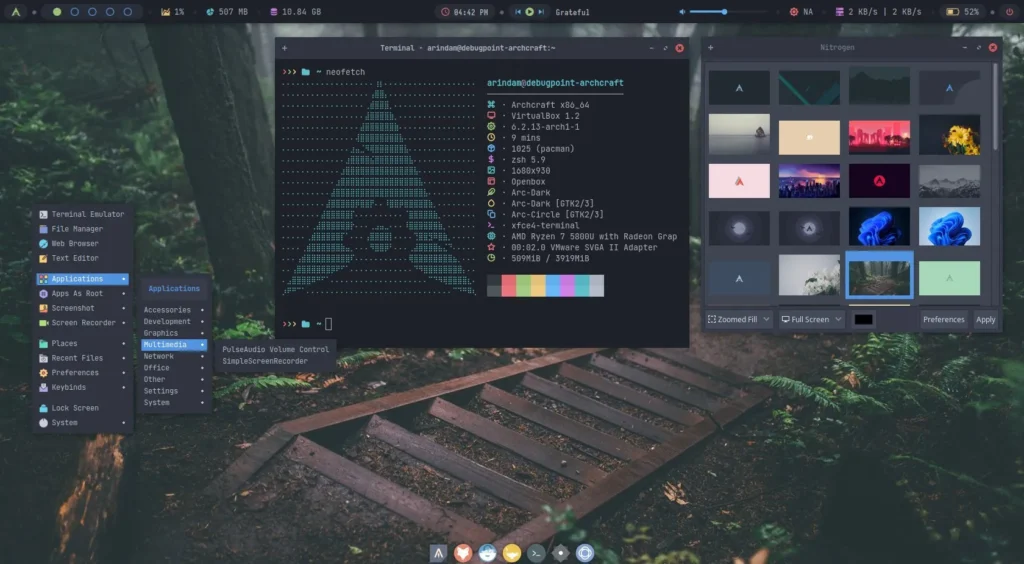
Arch Linux offers unparalleled customization and control for advanced users and enthusiasts who prefer a hands-on approach. Arch Linux follows a “do-it-yourself” philosophy, where users build their own system from the ground up. It provides a minimal installation and allows users to select and install only the software they need. Arch Linux provides access to the latest software releases, making it a favorite among developers and power users who value flexibility and control.
Alma/Rocky – Stable Linux distribution for servers
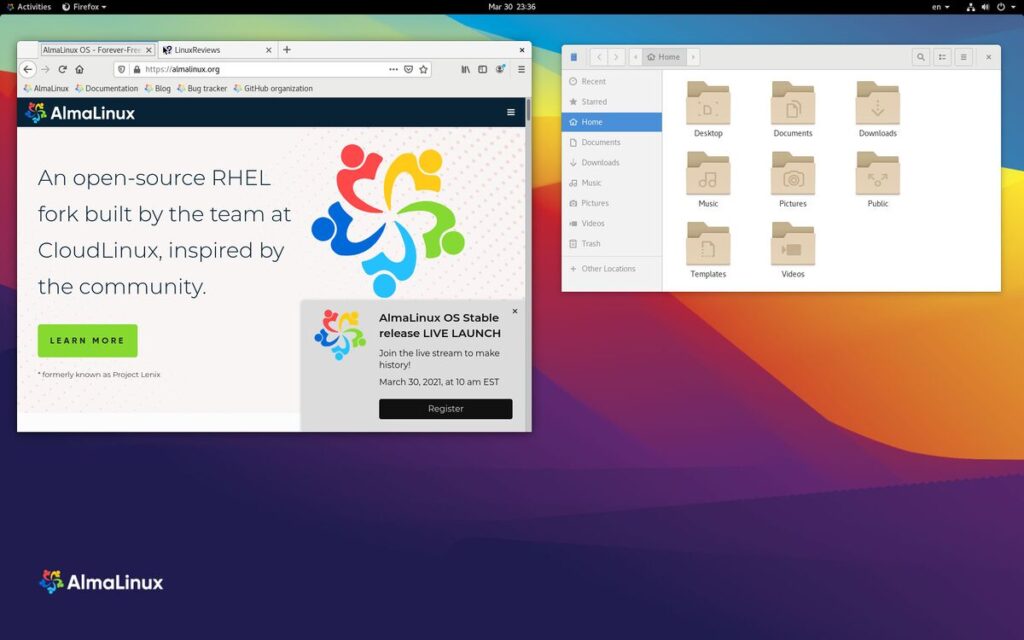
When it comes to server deployment, Alma/Rocky are reliable and stable options. Both of these distributions come from the Centos distribution and were created by RH after changing the way the distribution was created/functioning model/purpose. Based on the source code of Red Hat Enterprise Linux (RHEL), Alma/Rocky offers the same level of stability and security with community support. Alma/Rocky focuses on long-term support and is widely used in enterprise environments. If you need a robust and secure Linux distribution for your server infrastructure, CentOS is a reliable option.
Red Hat Enterprise Linux (RHEL) – Try it and you won’t throw it on your window(s)
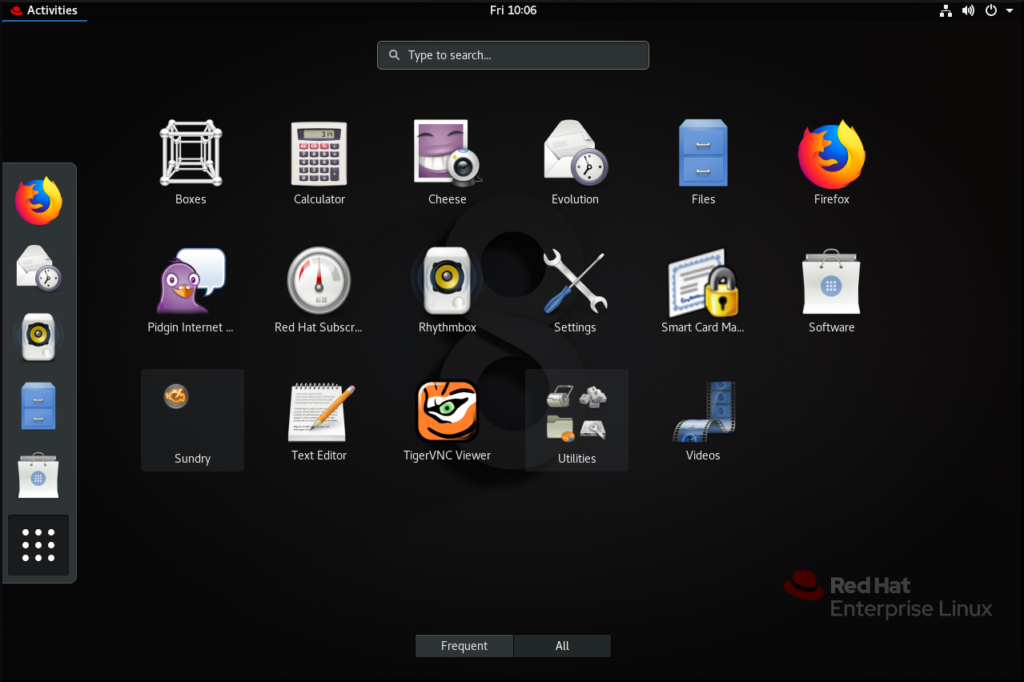
The distribution (RHEL) offers a wide range of powerful features that contribute to its popularity among businesses.
2. Badha – A blot on the Linux distribution landscape
While Linux distributions offer numerous benefits, they are not without challenges or criticisms. Common problems that users may encounter with certain distributions include hardware compatibility, software availability, and steep learning curves. In short, a poor Linux distribution often exhibits poor performance, lacks essential features, or suffers from frequent crashes and bugs.
These issues can frustrate users and hinder their ability to work effectively. Additionally, poor Linux distributions may have limited community support, making it difficult to find solutions to problems or receive timely updates.
DistroX – Unstable
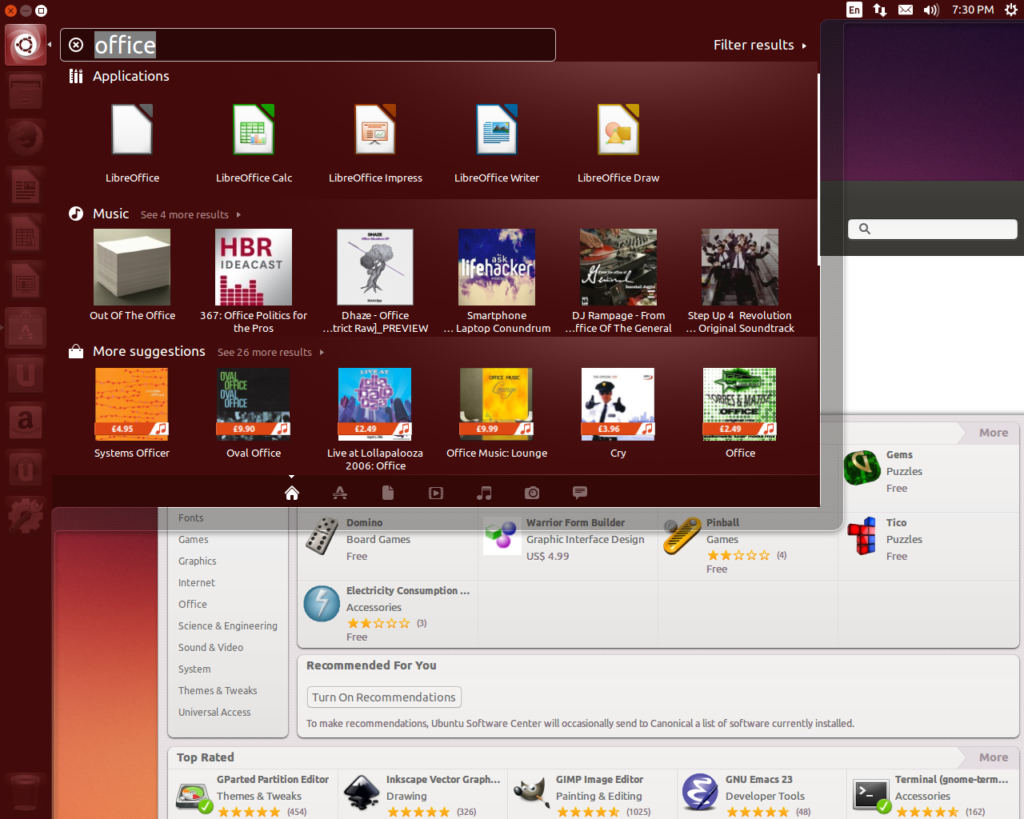
It is a relatively new Linux distribution that aims to provide a user-friendly and efficient operating system for both personal and professional use. Unfortunately, this Linux distribution has faced stability issues and a lack of community support. Users have reported frequent crashes and difficulties in finding solutions to their problems.
LiteOS – Slow and Limited Penguin
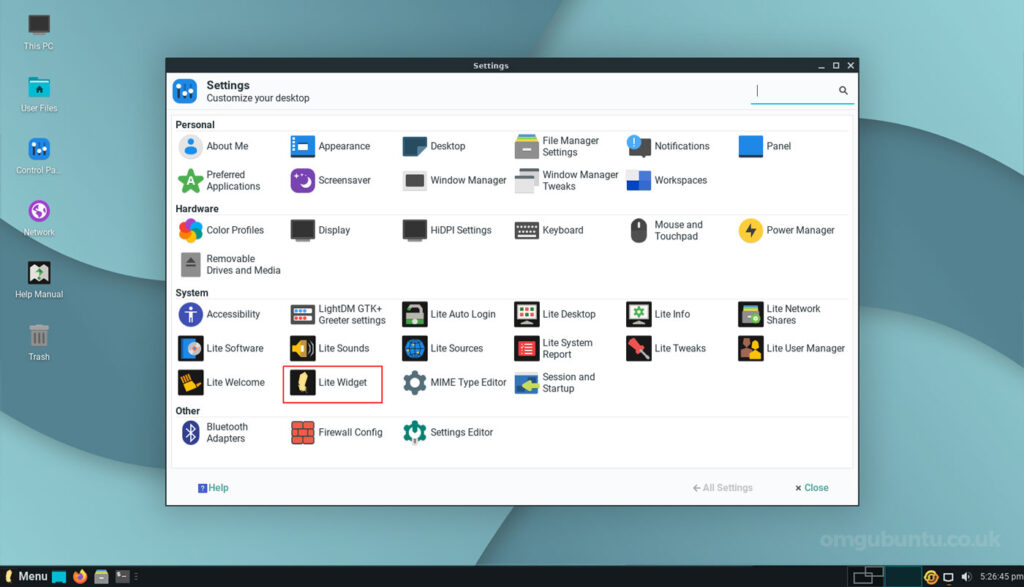
LiteOS was supposed to be a lightweight operating system designed for resource-constrained devices such as Internet of Things (IoT) devices. While LiteOS offers several advantages, it also faces serious problems such as poor performance and limited software availability.