






- A comprehensive step-by-step guide to developing, promoting, and publishing your Android game
- Recommended tools and development environment
- Project architecture and Gradle settings for release
- Implementing Google AdMob Ads — Integration, Types, and Practical Tips
- CI/CD and automated releases (GitLab CI + Fastlane example)
- Infrastructure for online gaming and content distribution
- Security, maintenance and privacy
- Revenue optimization and business strategies
- Final steps to publish on Google Play and start monetizing
- Practical tips for DevOps teams and network administrators
- Conclusion and next steps
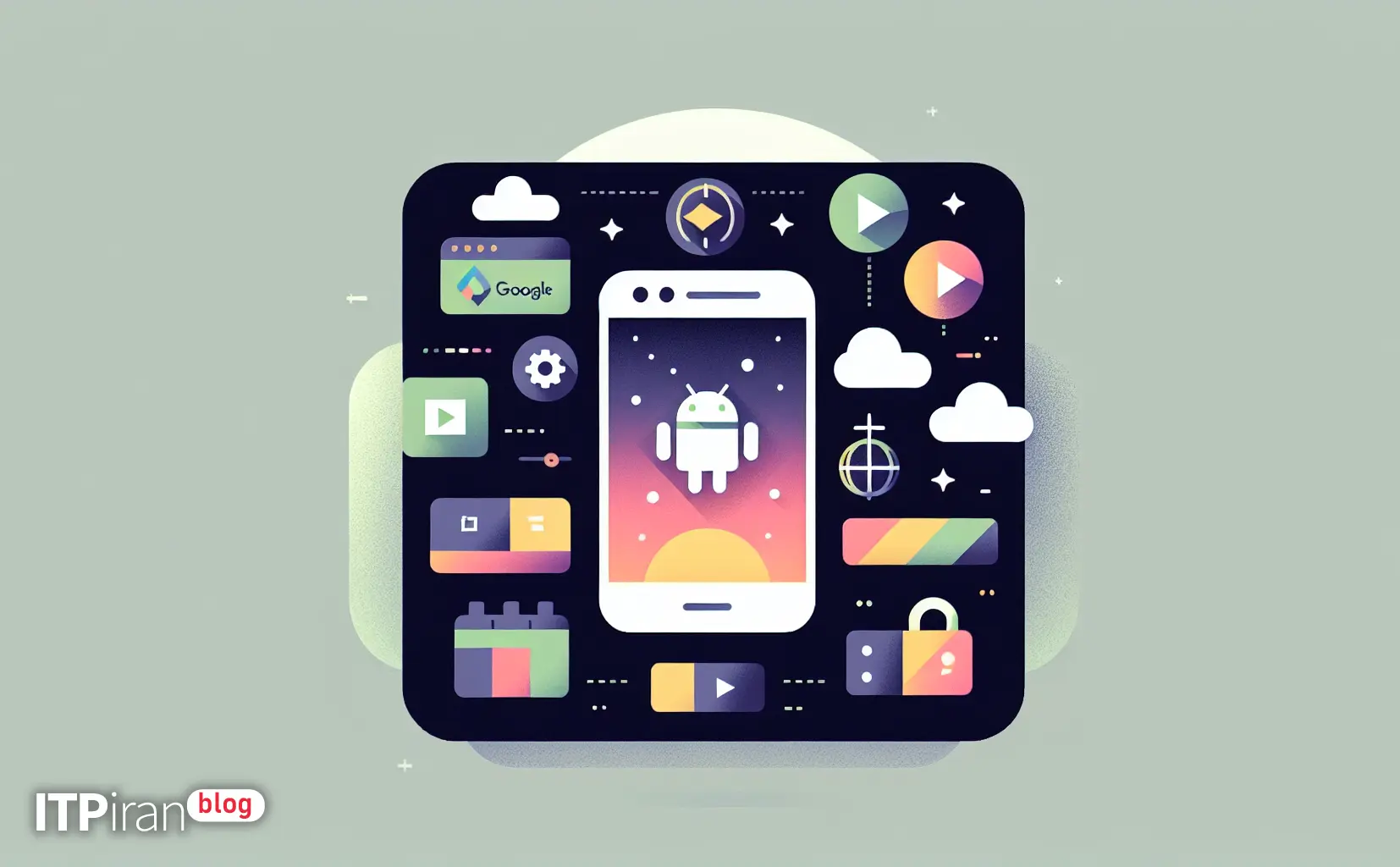
A comprehensive step-by-step guide to developing, promoting, and publishing your Android game
This guide is the complete process. Android game development Up to AdMob Ads Integration, Points management and AAB Release on Google Play It covers both practical and technical aspects. It is intended for development teams, DevOps, product managers, and network engineers who want to implement everything from local design and CI/CD to scalable infrastructure and revenue optimization.
Recommended tools and development environment
Tools
- Android Studio (latest version) with Gradle
- JDK 11 or higher
- Unity/Unreal or other game engines for 2D/3D experiences
- Firebase (Analytics, Crashlytics, Remote Config)
- AdMob SDK for advertising
- Git / GitLab for version control and CI/CD
Installing basic tools on a Linux development server (Ubuntu)
To set up a Runner or build server, you can use a cloud server with SSH access. Here are some sample commands for basic setup:
sudo apt update && sudo apt upgrade -y
sudo apt install openjdk-11-jdk git unzip wget -y
Install Android SDK (Quick)
Download command line tools, extract and install basic packages:
wget https://dl.google.com/android/repository/commandlinetools-linux-xxxx_latest.zip
unzip commandlinetools-linux-xxxx_latest.zip -d $HOME/android-sdk
export ANDROID_SDK_ROOT=$HOME/android-sdk
$ANDROID_SDK_ROOT/cmdline-tools/bin/sdkmanager --sdk_root=$ANDROID_SDK_ROOT "platform-tools" "platforms;android-33" "build-tools;33.0.2"
Project architecture and Gradle settings for release
In the file app/build.gradle Must signingConfig Defined for release and minifyEnabled Enabled with ProGuard/R8 for compression and obfuscation. Sample signingConfig configuration:
signingConfigs {
    release {
        storeFile file(System.getenv("KEYSTORE_PATH"))
        storePassword System.getenv("KEYSTORE_PASSWORD")
        keyAlias System.getenv("KEY_ALIAS")
        keyPassword System.getenv("KEY_PASSWORD")
    }
}

buildTypes {
    release {
        signingConfig signingConfigs.release
        minifyEnabled true
        proguardFiles getDefaultProguardFile('proguard-android-optimize.txt'), 'proguard-rules.pro'
    }
}Generate keystore (command)
To generate a local keystore, use the following command (example):
keytool -genkey -v -keystore release.keystore -alias my_app_alias -keyalg RSA -keysize 2048 -validity 10000Implementing Google AdMob Ads — Integration, Types, and Practical Tips
Setting up AdMob
- Create an AdMob account and add an app with package name.
- Get App ID and Ad unit IDs (banner, interstitial, rewarded).
- Adding dependency in Gradle:
implementation 'com.google.android.gms:play-services-ads:22.0.0'‘ (Sample version — use newer version)
Simple code example for loading a banner (Activity)
MobileAds.initialize(this) { }
val adView = AdView(this)
adView.adUnitId = "ca-app-pub-xxx/yyy"
adView.adSize = AdSize.BANNER
adView.loadAd(AdRequest.Builder().build())
Types of advertising and monetization strategies
- Banner: Lowest revenue, suitable for non-invasive UI.
- Interstitial: Between steps or pages, higher conversion rates.
- Rewarded Video: Best for revenue and user retention — the user receives a reward after watching.
- Native Ads: Visual integration with game UX and better CTR rates.
Recommendation: from Rewarded and Interstitial Use it optimally; adjust the frequency and layout accordingly. Firebase Remote Config Or try A/B testing.
Rules, testing, and policies
- Always from test ads Use when developing.
- Compliance with AdMob and Play Store policies (content, click-spam, COPPA, and GDPR) is required.
- For European users from Consent SDK And ensure GDPR compliance.
CI/CD and automated releases (GitLab CI + Fastlane example)
Why CI/CD?
CI/CD allows for automated compilation, testing, obfuscation, secure signing, and release to different channels (pilot, beta, production). You can use GitLab Hosted Runners or install GitLab Runner on a cloud server with a convenient location to reduce latency.
Simple .gitlab-ci.yml example
image: ubuntu:20.04

stages:
  - build
  - test
  - release

before_script:
  - apt update && apt install -y openjdk-11-jdk unzip wget
  - wget https://dl.google.com/android/repository/commandlinetools-linux-xxxx_latest.zip -O cmdline.zip
  - unzip cmdline.zip -d $CI_PROJECT_DIR/android-sdk
  - export ANDROID_SDK_ROOT=$CI_PROJECT_DIR/android-sdk
  - yes | $ANDROID_SDK_ROOT/cmdline-tools/bin/sdkmanager --sdk_root=$ANDROID_SDK_ROOT "platform-tools" "build-tools;33.0.2" "platforms;android-33"

build:
  stage: build
  script:
    - ./gradlew assembleRelease -Pandroid.injected.signing.store.file=$KEYSTORE_PATH -Pandroid.injected.signing.store.password=$KEYSTORE_PASSWORD
  artifacts:
    paths:
      - app/build/outputs/
Fastlane for automatic publishing to Google Play
Example Fastlane command to upload AAB to desired track:
fastlane supply --aab app-release.aab --json_key /path/to/service-account.json --track betaInfrastructure for online gaming and content distribution
Choosing server locations
For multiplayer and low ping games, location selection is crucial. Having more than 85 global locations Allows you to place servers close to your target audience (America, Europe, Southeast Asia, Japan, Australia, Middle East) to reduce ping and lag.
Types of servers and offers
- Gaming VPS: Suitable for small to medium servers with dedicated network configuration.
- High-performance cloud server: Scalability, auto-scaling, and load balancing.
- Graphics Server (GPU): For rendering assets, training ML models, or producing trailers and animations.
- Anti-DDoS server: Real-time server protection (UDP/TCP).
- Managed Database and Redis: For game status and leaderboards.
CDN and BGP
Use CDN to distribute large files (apk/aab, assets, patches) to reduce download time and latency. Anycast/BGP and multiple POPs help distribute traffic and increase availability.
Sample Game Server Configuration (Ubuntu) — Installing Nginx for Local Cache
You can install and configure Nginx to cache static content and distribute patch files:
sudo apt install nginx -y
# configure nginx for static cache and patch distribution as needed
Use dedicated servers for match-making if you need UDP/STUN/TURN.
Security, maintenance and privacy
App and backend security
- Secure keystore storage and JSON files in Secret Manager or Vault.
- Using HTTPS/TLS For all network communications.
- Prevent reverse engineering With Obfuscation (R8/ProGuard) and preventing hard-coding of API keys.
- Request rate limiting, WAF, and anti-DDoS settings For servers.
Always keep keys and sensitive information in secure locations (Secret Manager / Vault) and avoid storing them in the code repository.
Monitoring and Crash Reporting
- Firebase Crashlytics for reporting errors
- Prometheus + Grafana for monitoring servers and metrics
- Alerting for uptime and spikes in traffic (important for launches and advertising campaigns)
Revenue optimization and business strategies
AdMob and IAP integration
Combining rewarded ads with in-app purchases is the best way to increase revenue. Users can remove ads by paying a subscription or get rewards by watching in-game videos.
Mediation and eCPM increase
Use of mediation Increases Fill Rate and eCPM (AdMob mediation or other platforms).
A/B Testing and Remote Config
By using Firebase Remote Config and running A/B testing, you can quickly adjust ad serving rates, reward levels, and user experience without releasing a new version.
Final steps to publish on Google Play and start monetizing
Google Play Console setup
- Create an app in Google Play Console and complete the metadata (title, description, images, video).
- Loading AAB (Google Play bundle recommended).
- Pricing & distribution configuration and target countries.
- Define In-App Products (IAP) and connect to Billing Library.
- Enable App Signing by Google Play and maintain public key if needed.
Pre-publication checklist
- Full testing on real devices and using test ad IDs.
- Review AdMob and Play policies (Privacy, COPPA).
- Prepare a Privacy Policy and place a link to it on the Store page.
- Setting up Crashlytics and Analytics before release.
- Perform a phased rollout (internal → closed → production) to reduce risk.
Practical tips for DevOps teams and network administrators
- Launch GitLab Runner on a cloud server with a nearby location to reduce latency in downloading SDKs and dependencies.
- Using Docker images containing the Android SDK for stable builds.
- Using GPU servers for rendering assets or AI models.
- Using CDN and networks with over 85 locations to distribute patches with minimal lag and traffic costs.
Conclusion and next steps
Building an Android game and monetizing it with AdMob requires coordination between development, CI/CD, security, and infrastructure. By choosing the right server location, using game VPS, scalable cloud servers, CDN, and GPU, you can achieve a better user experience and higher revenue.
If you would like to review hosting plans, GPU servers, or receive technical advice for setting up CI/CD and a dedicated GitLab Runner, you can contact the sales and support team to discuss the conditions and solutions that are right for your project.